Loading the atlas…
Body region
Liver
AI supports drug safety, organ imaging, and chronic disease research.
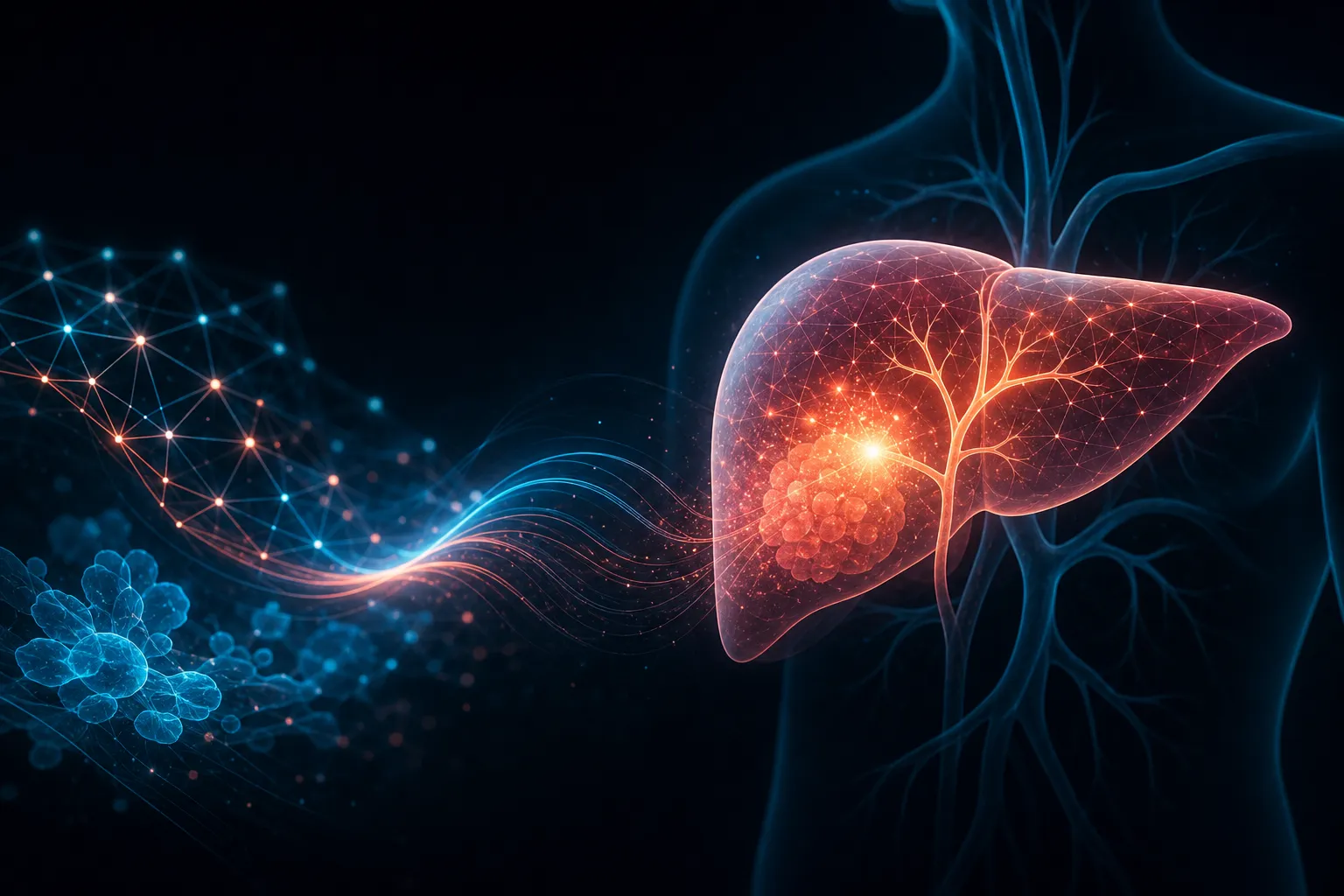 Hilar CholangiocarcinomaAI improved survival prediction after surgery for a rare liver cancer.Better predictions could help researchers measure patient outlook more accurately and design better follow-up studies for this cancer.LiverRead →
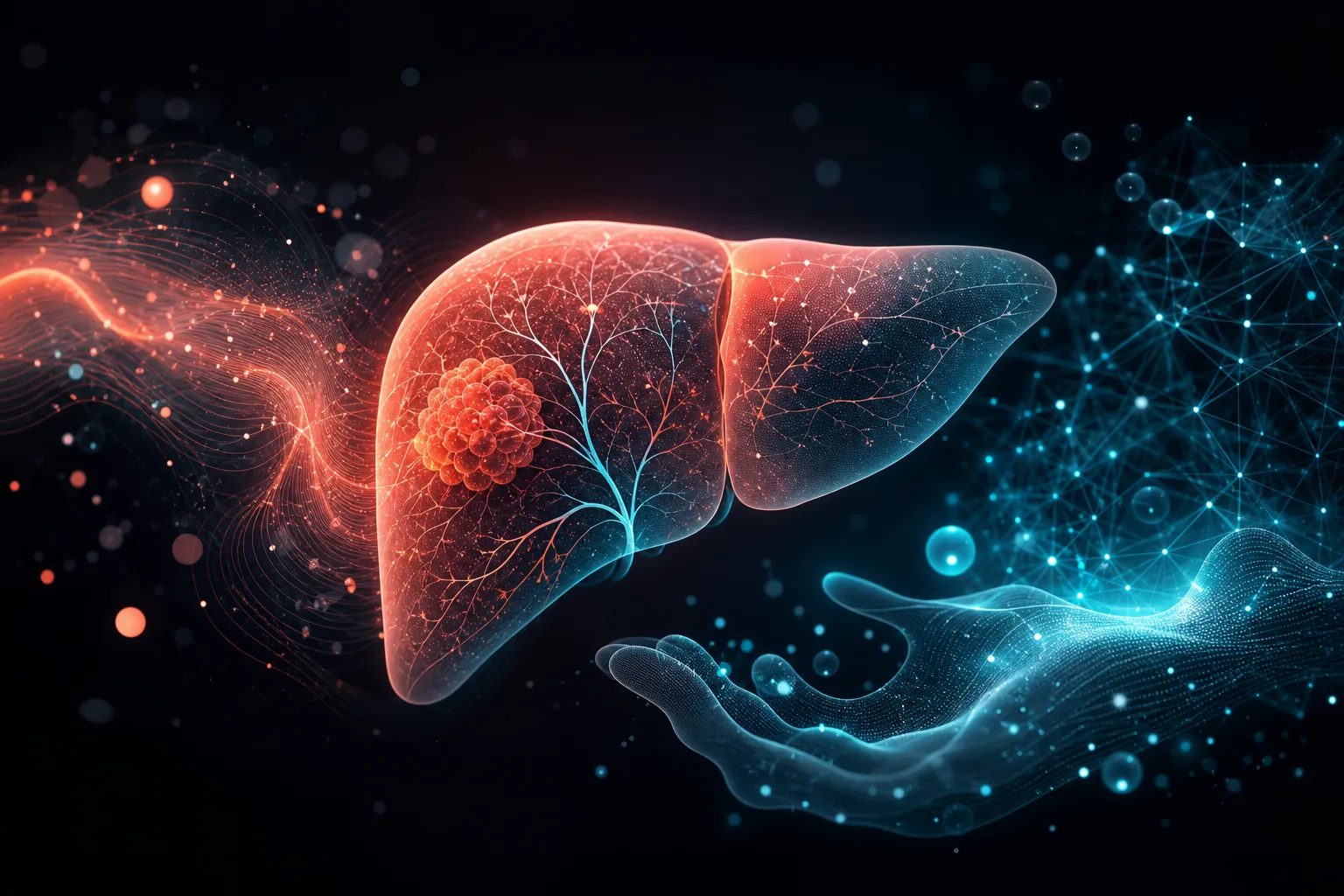 Hepatocellular CarcinomaAI helped clinicians explore liver disease data using natural language without coding.This could help researchers explore complex liver datasets more easily and faster using natural language, which may point toward better data access methods if validated further.LiverRead →
 Hepatic SteatosisAI predicted liver fat buildup accurately using common health measures.This could help researchers identify people at risk for fatty liver disease earlier using machine learning models tested on large health datasets. It may point toward better research on liver health and risk factors.LiverRead →
 Decompensated CirrhosisAI predicted long hospital stays in liver disease patients using blood test data.This could help researchers test faster ways to find patients who might stay longer in hospital and plan better studies if validated further.LiverRead →
 Post-Hepatectomy Liver FailureAI-based measurements helped better predict liver failure risk after hemi-hepatectomy surgery.This combined model could help researchers identify patients at higher risk of liver failure earlier, supporting better study designs for surgery outcomes if validated further.LiverRead →
 Recurrent Hepatocellular Carcinoma Post SurgeryAI helped predict which liver cancer patients benefit most from targeted drugs after surgery.This could help researchers better measure and validate who may gain more from certain treatments, aiding future studies on personalized therapy. If validated further, it may improve how patients are selected for therapy in research.LiverRead →