Loading the atlas…
Body region
Lungs
AI can help researchers read imaging and respiratory signals.
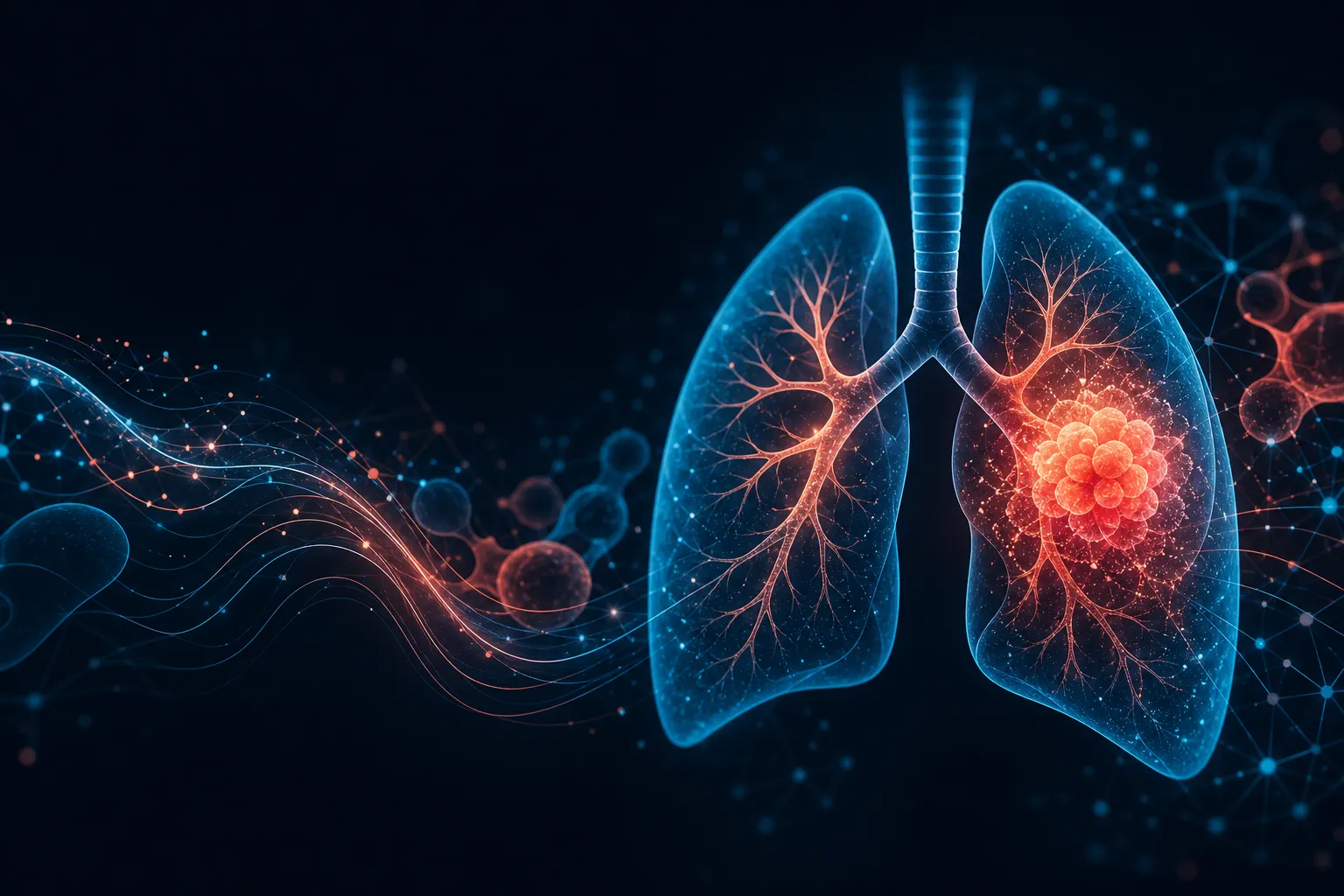 Lung AdenocarcinomaAI improved lung cancer CT scans to better predict tumor gene changes without surgery.Better gene mutation predictions using CT scans could help researchers design studies on non-invasive cancer markers and improve patient group selection for trials if validated further.LungsRead →
 Hematologic Malignancy ICU MortalityAI predicted ICU mortality risk well in blood cancer patients, especially for multiple myeloma.This could help researchers better measure and understand mortality risk differences among blood cancer types in ICU, if validated further. It may point toward improved subgroup models for patient risk assessment.LungsRead →
 Dysphagia In Chronic Obstructive Pulmonary DiseaseAI helped identify swallowing problems early in COPD patients with high accuracy.This could help researchers and clinicians better spot dysphagia early in COPD patients, possibly improving study designs and follow-up care if validated further.LungsRead →
 Clinical Skills AssessmentAI matched expert scores on certain lung-related clinical skills evaluations in a medical education setting.This could help researchers understand where AI can reliably measure technical clinical skills and where expert judgment remains key, guiding better assessment tools in training.LungsRead →
 Intensive Care Unit Patient MortalityAI found patient groups in ICUs who face very high chances of death six months later.This could help researchers study high-risk ICU patients more closely and design future studies or policies for better care focus if validated further.LungsRead →